
8 ways automated palletizing will
TRANSFORM your production line.
Manual palletizing is one of the most physically demanding, injury-prone, and labor-intensive jobs on the production floor. And it's one of the simplest to automate.
In this free “Palletizing 101” guide, you'll learn why robotic palletizing is often the fastest way for manufacturers to boost output, stabilize labor, and reduce production line risk.
- Two pages, no automation background needed
- Print it, share it with your team
- Nothing to sign up for
Free Guide
Download the guide
Tell us where to send it. The download starts the moment you submit.
Loading the form…
The form didn't load. Talk with an expert and we'll send it over.
It's on its way.
The download should start automatically, and we've emailed you a copy. If it didn't start:
Download nowWe'll only use your details to send this and the occasional automation insight. Unsubscribe anytime. See our Privacy Policy.
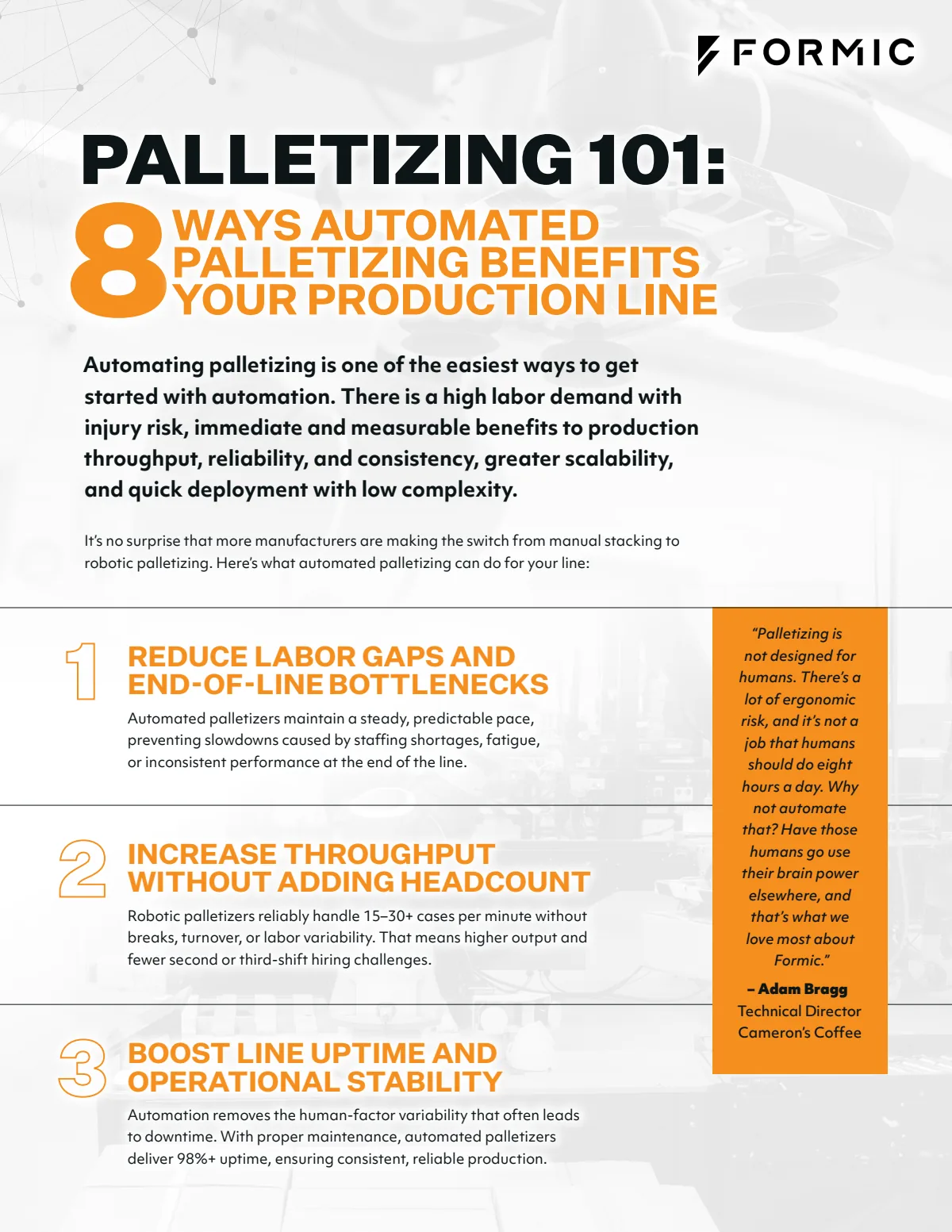
Download the guide and automate with confidence.
Palletizing 101 covers what automated palletizing changes on the floor, in two pages, without the jargon.
- 01Eliminate end-of-line bottlenecks and labor gaps.
- 02Increase throughput without adding headcount.
- 03Achieve 98%+ uptime and consistent, repeatable pallets.
- 04Reduce injury risk and improve workforce retention.
No CapEx. No risk. No problems.
Formic Full Service Automation covers the whole cell for one fixed monthly rate, designed around the line you already run.
No CapEx
No large investment, upfront payment, or long term commitment required. Pay as you go for unlimited month-to-month use of case packing and palletizing systems.
No risk
As your production needs change, your equipment can change with you while maintaining your same fixed price.
No problems
Ongoing operational success is ensured through 24/7 on call tech support and 100% maintenance coverage, both preventative and corrective, all for one fixed rate.

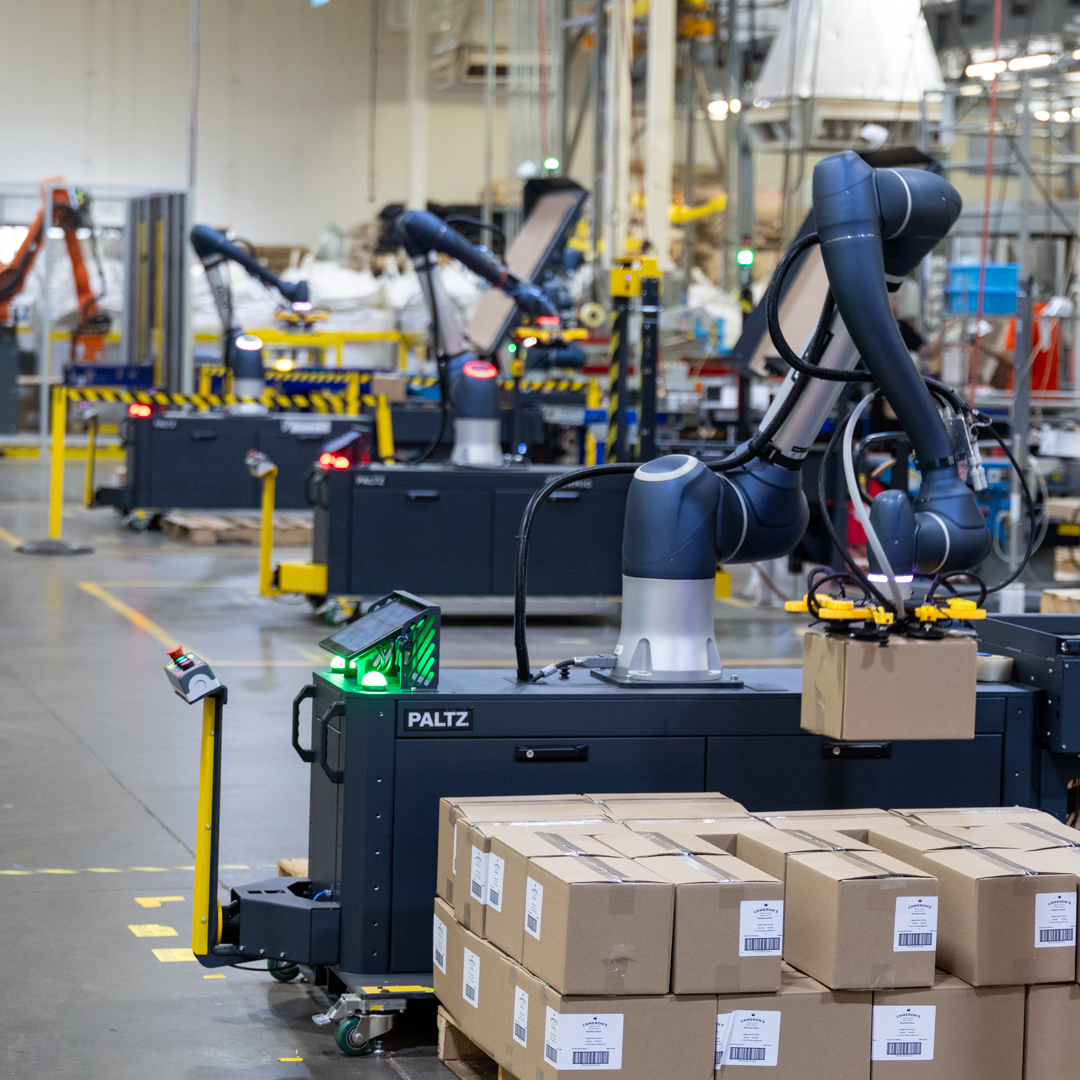
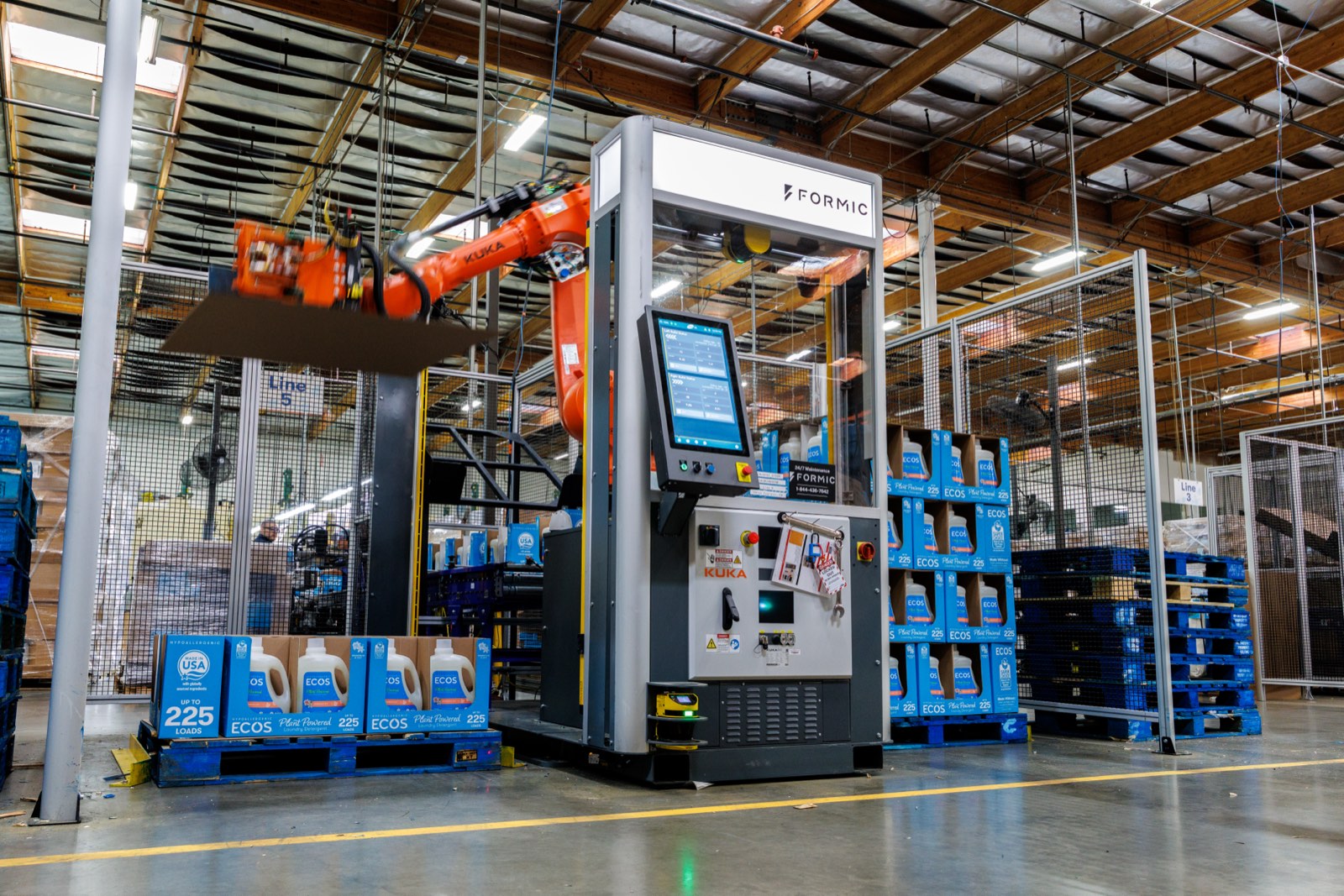
The hardest job on the floor.
Also the easiest to automate.
Download Palletizing 101, then let an engineer scope the cell around the line you already run.