Formic Automation Community + FOCUS Event Recap: Practical Advice for Manufacturers Considering Automation
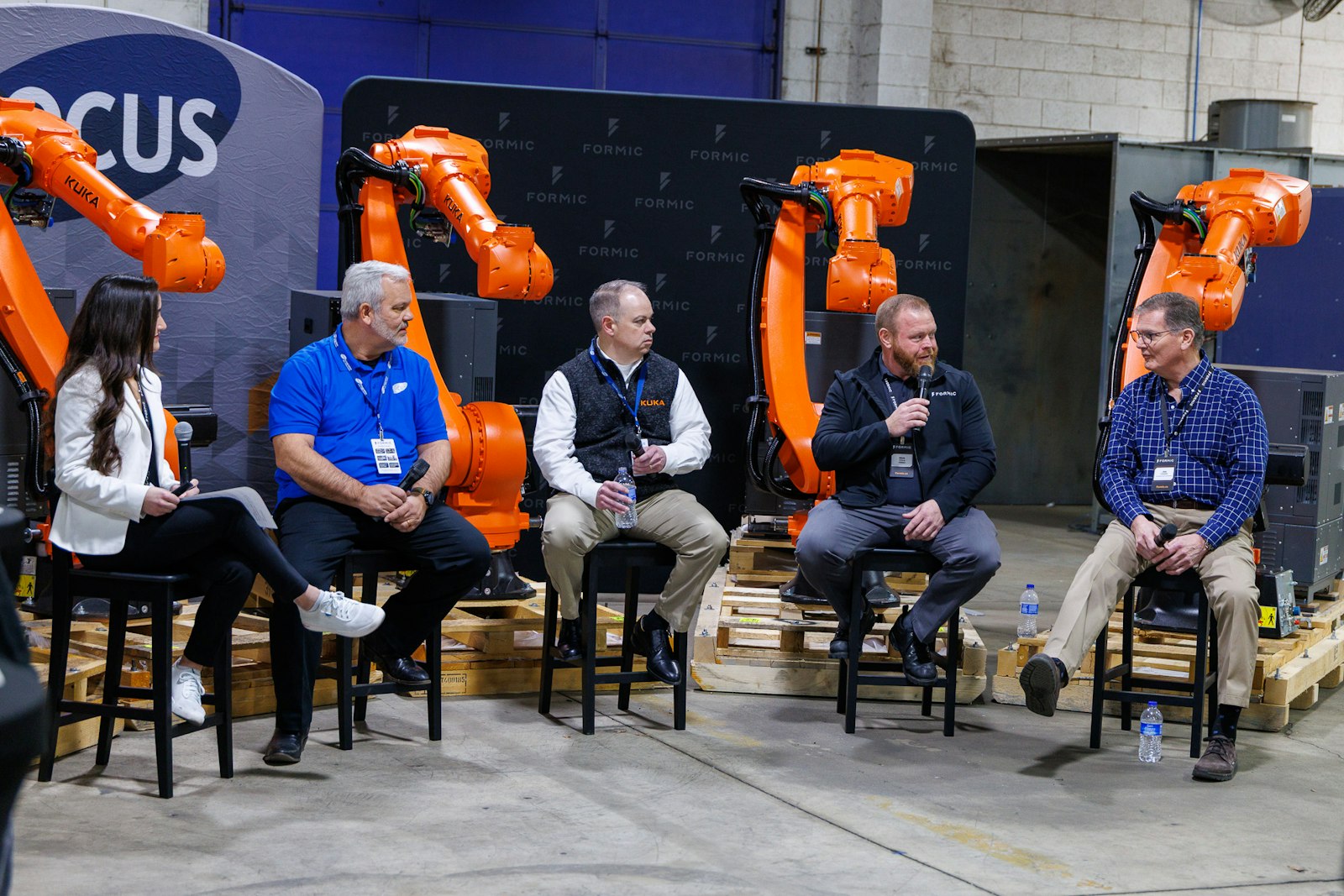
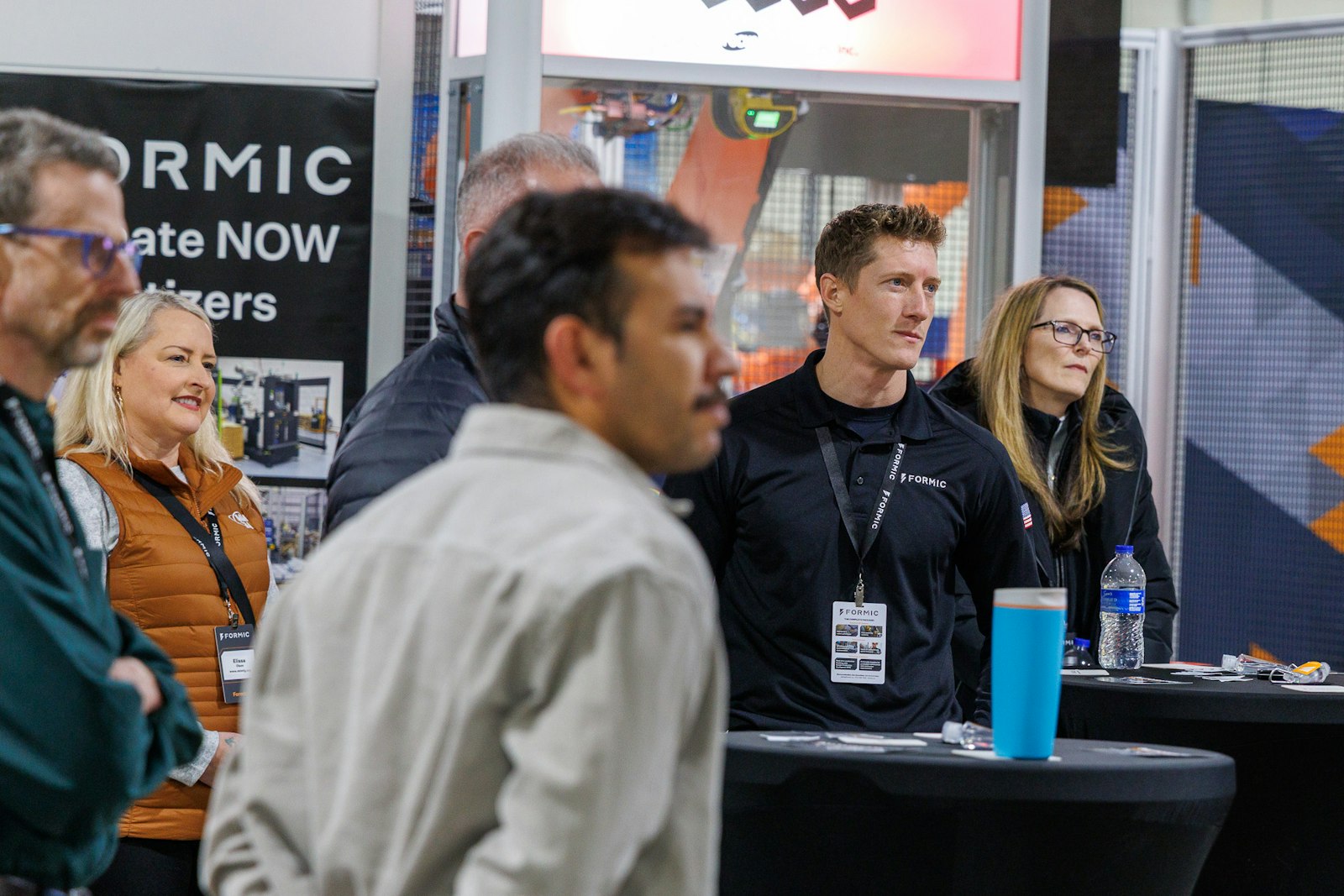
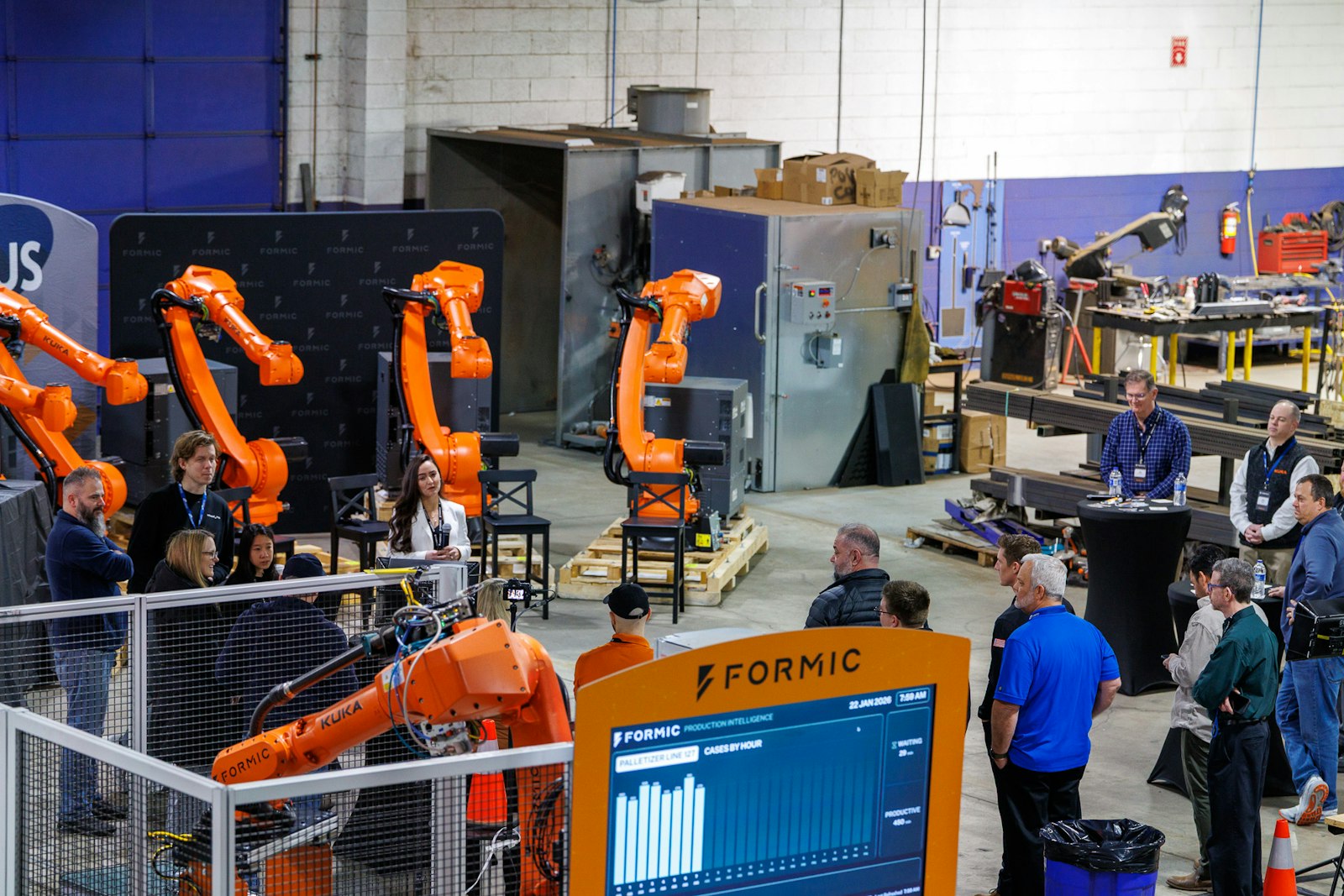
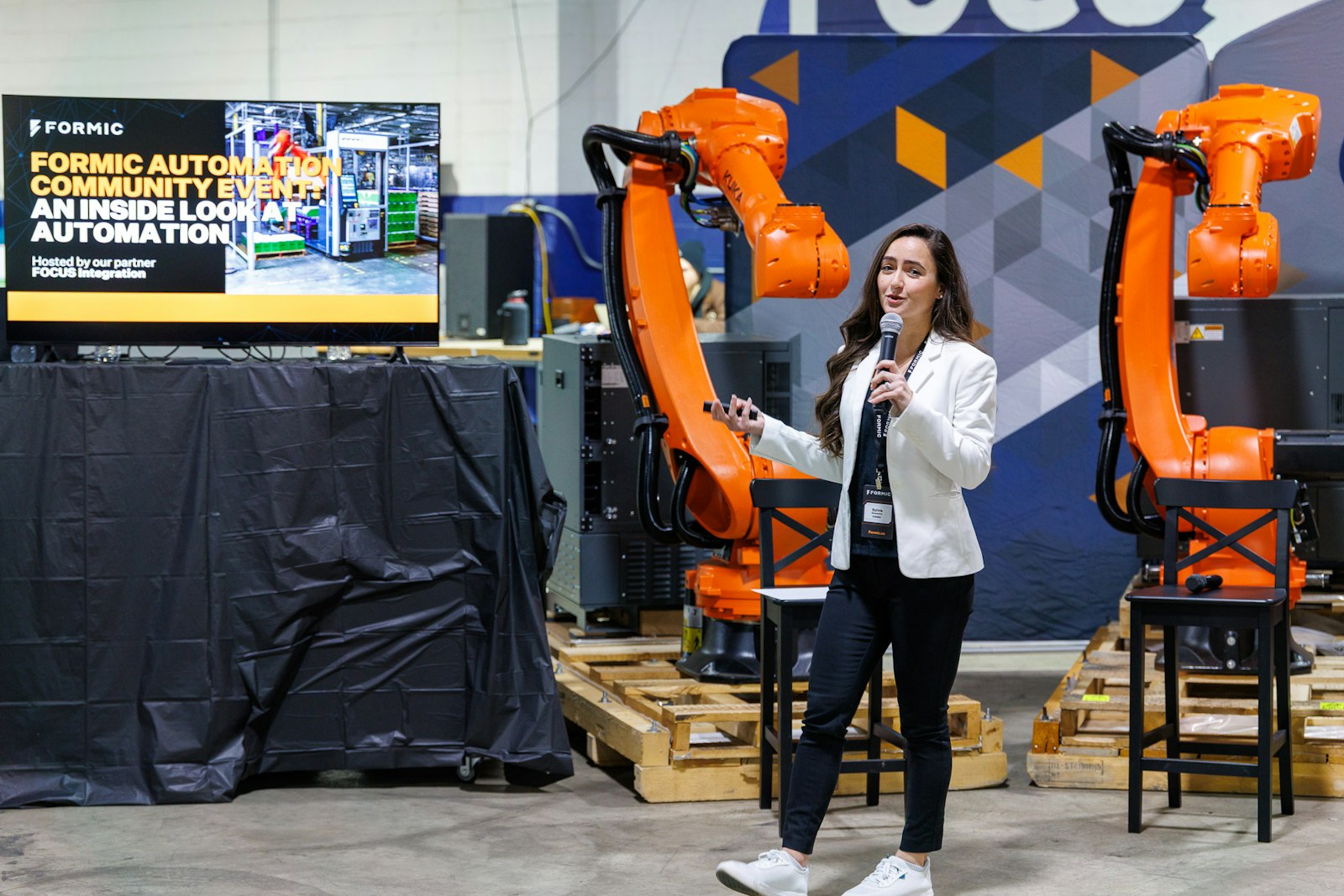
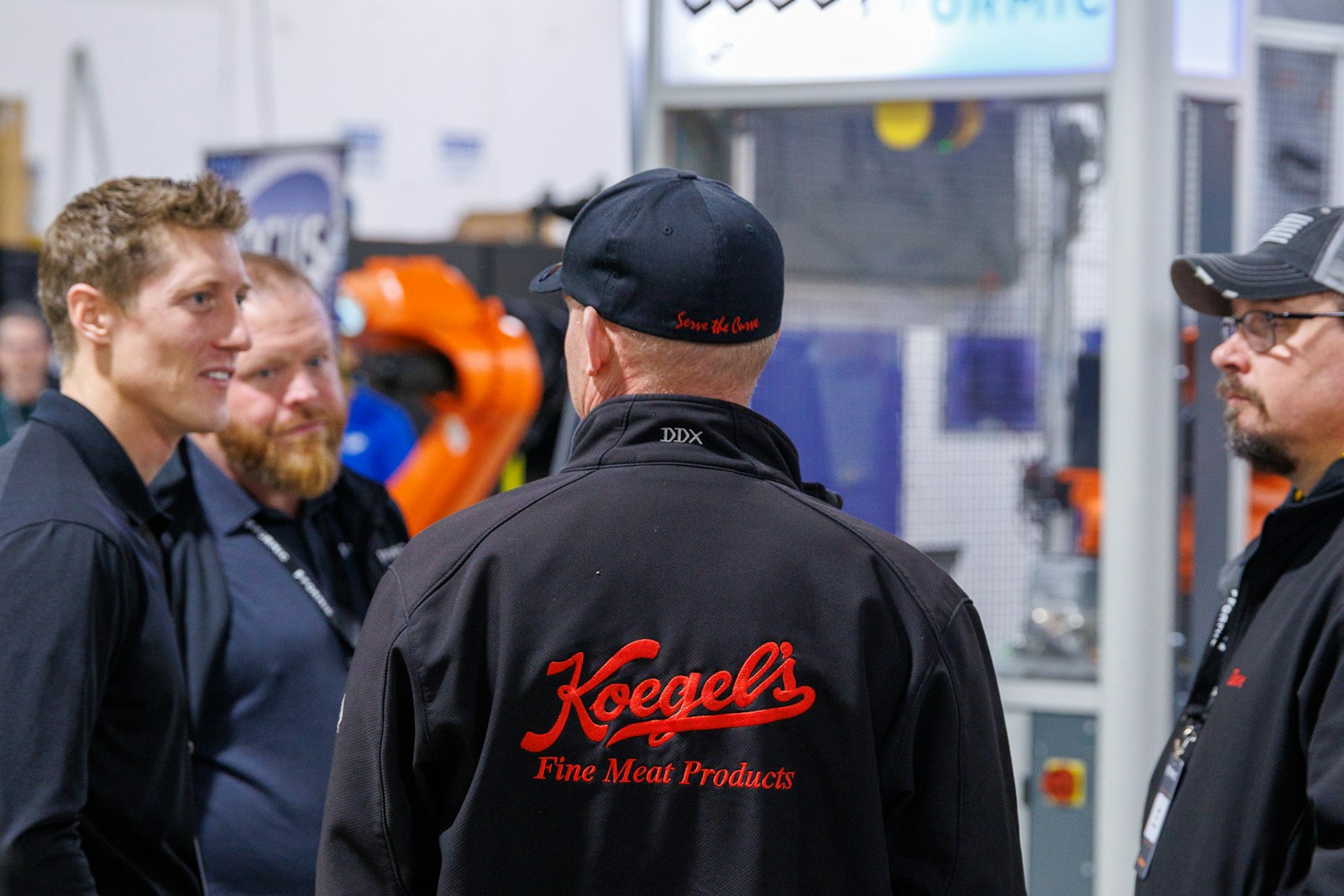
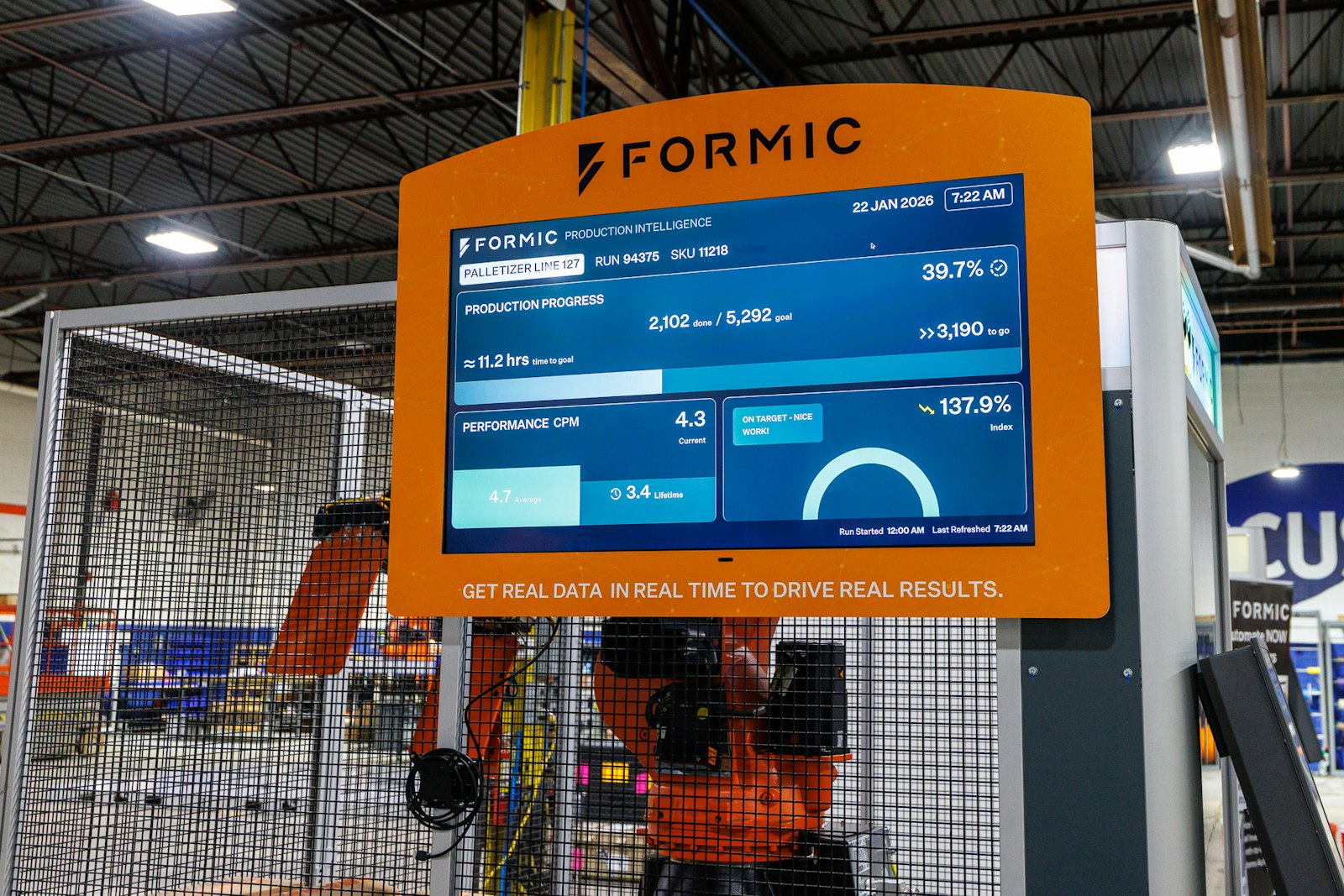
Last week, we hosted our first Formic Automation Community (FAC) event of 2026 at our technology partner FOCUS Integration’s facility in Michigan. Manufacturing leaders from across the state came together to see robots in action, hear from automation experts, and walk away with practical insights they could apply on their own factory floors.
At the heart of the event was a panel discussion featuring leaders from Formic, FOCUS Integration, and KUKA. The conversation tackled some of the most common and pressing questions manufacturers face when considering automation, including where to start, what surprises teams along the way, and why Total Cost of Ownership (TCO) often tells a more complete story than Return on Investment (ROI).
If you couldn’t attend, we’re highlighting a few of the key takeaways from the discussion.
Start at the End of Line
When manufacturers think about where to begin with automation, the instinct is often to look upstream at the most complex or labor-intensive piece of the line. In practice, the end of the line is usually the smarter first move.
As Nick DeLong, Formic’s Head of Product Engineering, explained, “What they’re not realizing is that the palletizer at the end of the line is ultimately a bottleneck for throughput for anything upstream of it.” No matter how advanced your filling or packaging equipment may be, if cases cannot be stacked, pallets cannot move, or labor is unavailable to keep things flowing, the entire line slows down. Those downstream blockers, whether it is missing labor, forklifts waiting, or pallets backing up, immediately cap the performance of everything before them.
Automating the end of the line addresses several challenges at once. It reduces reliance on heavy manual labor, stabilizes throughput across shifts, and delivers impact quickly with lower risk. An automated palletizing system does not require shift coverage or backup staffing. It simply runs reliably every time. That reliability allows teams to reallocate labor upstream and gives operations leaders the confidence to push production without worrying about downstream failure.
As Dean Roberts, President and Owner of FOCUS Integration, put it, “It’s like trying to force more water through a pipe when the end is clogged. You build pressure, spring leaks, and miss the real problem.”
Multiple SKUs Aren’t a Deal Breaker
Another common concern is SKU complexity. Manufacturers often worry they have too many SKUs, or that their products change too frequently to automate effectively. The reality is that modern automation is designed for exactly that kind of variability.
The challenge is not just today’s SKU list, but what it will look like six months from now, particularly for co-packers. That is why flexibility starts at the point where the robot touches the product. Over time, companies like Formic and FOCUS have developed end-of-arm tooling and system designs that can adapt as products evolve.
Software advancements play an equally important role. What once required a robot programmer onsite for days can now be handled directly by operators. New SKUs, case sizes, pallet patterns, and layer configurations can be added through intuitive interfaces without specialized engineering support.
When combined with upfront simulation, where dozens of SKUs are validated virtually before a system ever hits the floor, manufacturers gain confidence that complexity will not slow them down. And if product needs change significantly, systems can flex with them.
The Unexpected Benefits of Automation
One of the most common misconceptions about automation is that it adds complexity. More software, more programming, and more burden on operators and technicians. In practice, manufacturers are often surprised by the opposite.
As Rich Parkhurst, Business Development Manager at KUKA Robotics, put it, “They expect complexity, but that’s not really what they end up being delivered.” Modern automation systems are designed with usability in mind, from intuitive HMIs to simple product changeovers. Two of the best things teams hear during deployment are “that installed quickly” and “that’s easy to use.” Operators can be trained quickly, configurations are straightforward, and the system feels far more accessible than expected.
Beyond ease of use, automation delivers benefits that are often overlooked, especially when it comes to people. Bringing robotics onto the plant floor can make facilities more attractive to new hires, particularly younger workers who want to work with technology or have a misconception about manufacturing being dull or dangerous. And despite concerns about job loss, automation most often reallocates labor rather than eliminating it. In one example shared during the panel, a Formic customer facility that automated case packing and palletizing redeployed workers into higher-value roles elsewhere in the plant.
“The reality is people get repurposed into more meaningful positions,” Dean noted.
The Right Automation Partner Can Make or Break Success
When asked about the biggest mistake first-time automators make, Joe Campbell, a robotics and automation veteran with more than 40 years of experience, pointed to partner selection. The right partner must align with a company’s capabilities, resources, and long-term goals.
“Traditional integrators are very skilled, but they require somebody on the receiving end who can control and maintain the technology,” Joe explained. For organizations without deep automation resources, that model can create friction. A partner that can deploy and support systems without requiring extensive in-house expertise lowers the barrier to entry and increases the likelihood of success.
Equally important is starting small and scaling from there. Manufacturers do not need to solve every problem in the plant with their first automation project. Starting with a single step in an end-of-line process allows teams to see results, understand the value, and build confidence before expanding. Attempts to automate everything at once, often driven by executive pressure or aggressive timelines, are where projects tend to stall.
Finally, successful automation requires input from the people closest to the work. Operators often understand real-world requirements and edge cases that never appear in specifications. Involving them early uncovers critical insights and builds the buy-in needed for long-term success.
Success Goes Beyond ROI
When manufacturers evaluate a first automation project, the most meaningful measures of success often go beyond ROI. One of the clearest signals is operator buy-in.
As Nick shared, success shows up when people on the floor start calling it “my robot” or even naming it. That moment reflects a cultural shift where automation is embraced rather than resisted.
Another strong indicator is momentum. After a successful first deployment, operators begin approaching leadership with suggestions for where automation could help next. From a business standpoint, repeat deployments within the same facility or organization reinforce that value.
Success is also measured by risk reduction, not just output. Automation stabilizes throughput, reduces dependency on hard-to-fill labor, and improves consistency in physically demanding roles. As the panel noted, modern ROI includes retention, hiring, customer satisfaction, and reliability. When a first project builds trust, reduces risk, and sparks demand for what comes next, it has done its job.
Join Us for the Next Formic Automation Community Event
If you missed this event, join us on March 26 in Marion, Ohio, for our next Formic Automation Community event at Wyandot Snacks. Founded nearly 90 years ago, Wyandot has grown from a popcorn producer into a leading manufacturer of extruded puffs, tortilla chips, corn snacks, and private-label products for many of the world’s largest food brands.
Attendees will get a behind-the-scenes look at automation running live in a real production environment and hear firsthand how Wyandot is scaling with agility.
RSVP to our FAC Event at Wyandot Snacks