Wyandot Snacks + Formic Automation Community Event: Behind the Snack Line
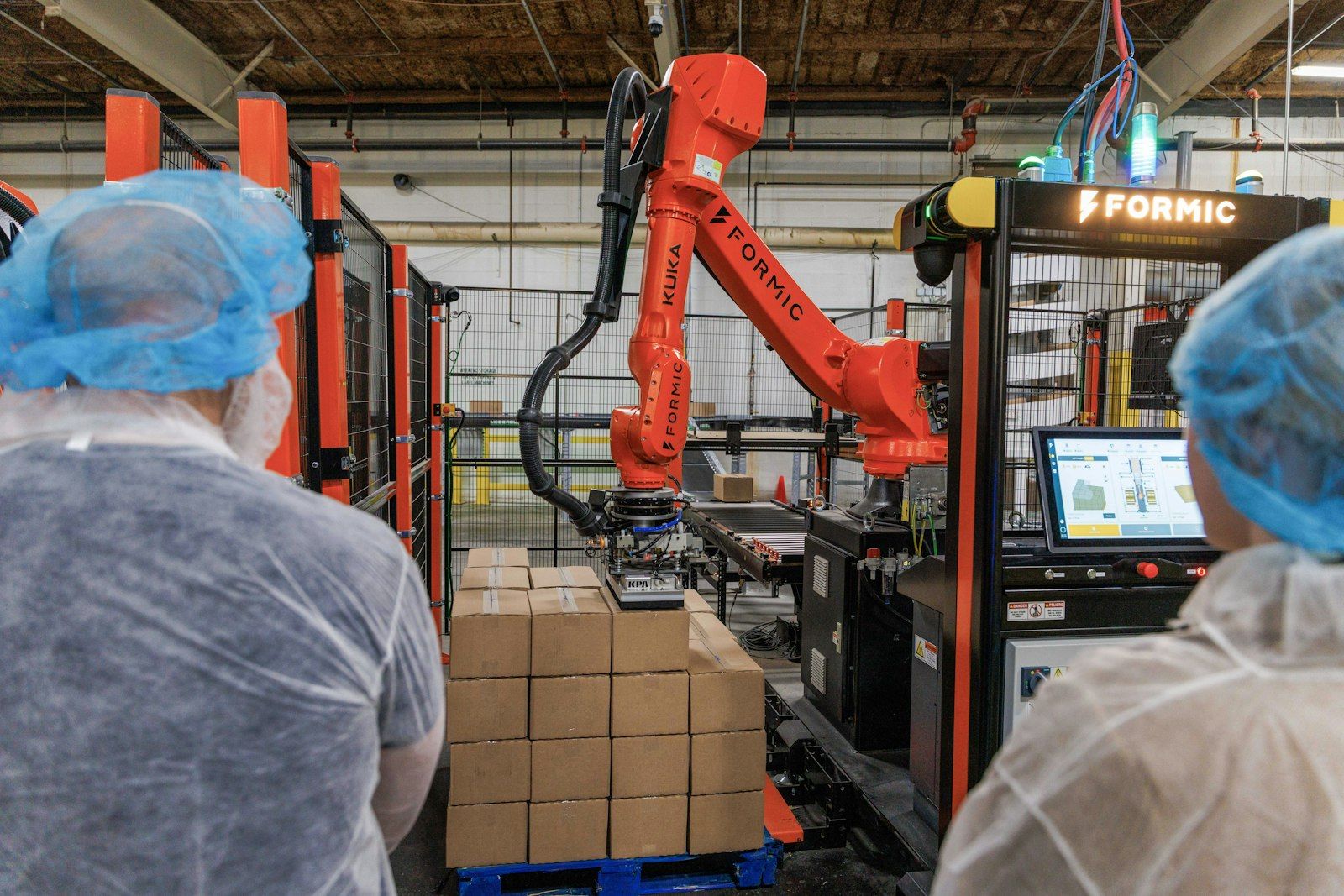
“You can start in one area like we did. Start with just palletizing in a centralized location, and then see how it goes and build off of it,” Allie Helton, Director of Operations at Wyandot Snacks, said. “It has absolutely been a game-changer for us. We started with just palletizing on one production line, and now we're planning to expand into multiple production lines.”
It’s one thing to talk about automation in theory. It’s another to stand on a live production floor and watch it in action: robots moving with precision, stacking packages in real time, seamlessly integrated into ongoing operations. For many attendees at Wyandot Snacks’ facility, that firsthand view brought automation into sharper focus than any presentation could.
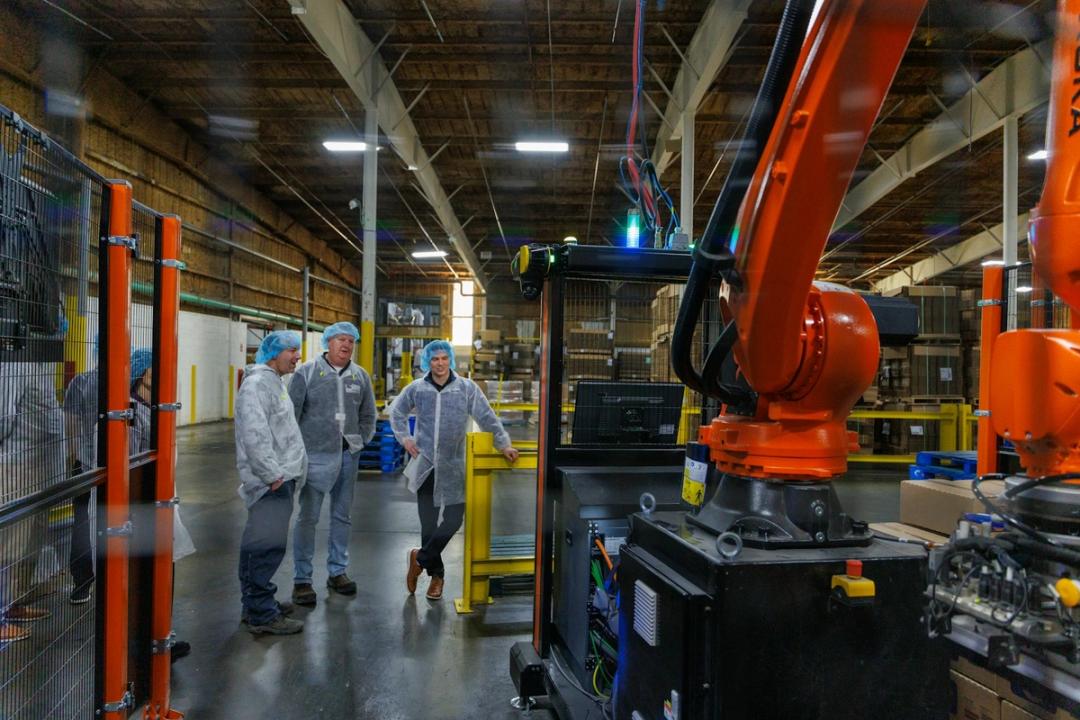
On March 26, Wyandot Snacks welcomed local manufacturers into its production facility in Marion, Ohio, for the latest Formic Automation Community event. Attendees walked the floor to see live automation running real product on the line, and heard directly from the Wyandot team about the operational challenges that led them to automate. They also heard from the Formic engineer who managed the deployment, offering insight into how the system was rolled out in a live production environment.
For many attendees, the event answered a critical question: what does automation actually look like on a live production line, and what does it take to make it work?
Wyandot’s Growth Emphasized Operational Challenges
As Wyandot’s order volume has grown, capacity has had to keep pace.
“About a year ago, we were doing 300,000 pounds a week, and now we do over a million pounds a week of different kinds of snacks,” Jaap Langenberg, CEO of Wyandot Snacks, said. “The good news for us is that the demand is there. The challenge is being able to respond to that and produce at that volume across a range of customers.”
The need to scale production efficiently is what ultimately led Wyandot to partner with Formic. Since then, they’ve tripled production capacity. During the event, attendees heard a broader discussion of the labor gaps and production constraints Wyandot, and many other manufacturers in the room, are actively working to solve.
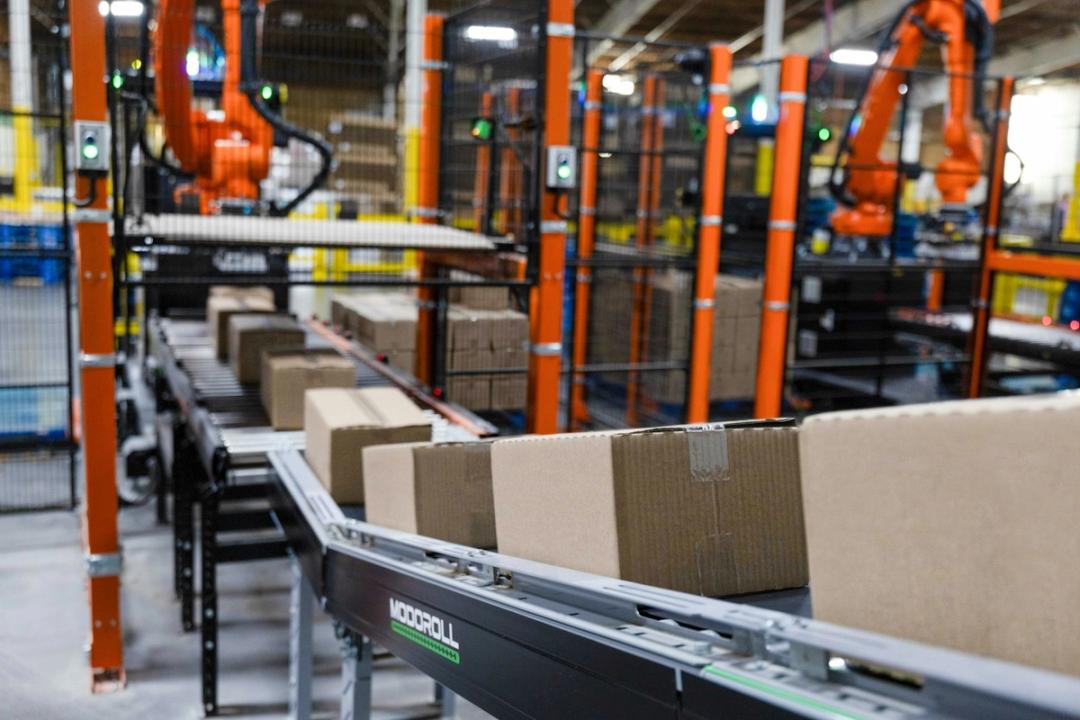
Why Automation Was a Necessity for Wyandot, Not a Luxury
Wyandot is a 90-year-old company that, until a few years ago, operated as a fully family-run business. Over time, Wyandot has evolved from a raw popcorn supplier to ready-to-eat products to microwavable popcorn. The company made Cracker Jacks for 70 years, and now primarily makes tortilla chips and extruded products.
During last week’s event, Jaap shared that the company works on tight timelines across dozens of different SKUs, leading to downtime from manual handling and changeovers. Additional challenges included rising demand and customer expectations, physically demanding tasks, and a tight labor market.
“We're relatively rural here, so the availability of workforce has been a little bit of a challenge in the past. As we've grown the business, we want to be able to leverage the local community,” Jaap said. “In fact, since we started our automation process and built up the business, we have about 100 more employees now than we did a year ago. So we're not looking to replace employees as much as have this be a great place for people to work.”
The company is focused on ensuring that its employees remain safe: “It's about taking some of the repetitive tasks that don't require much skill and automating those, and reducing the opportunity for injuries,” he said.
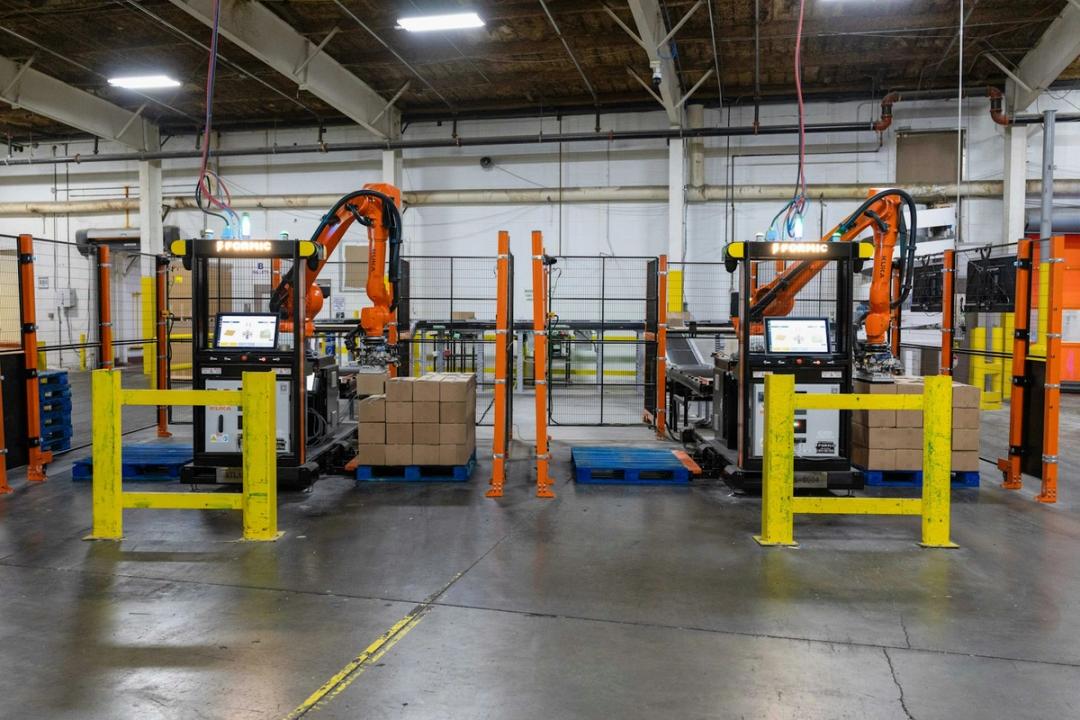
Why Wyandot Chose Full Service Automation
As Jaap explained at the event, their two industrial palletizers from Formic weren’t the company’s first foray into automation. They automated palletizing and case packing lines in the past, but purchased systems outright instead of using Formic’s Full Service Automation model.
That traditional capital approach came with several challenges:
- Long integration timelines with limited flexibility after installation
- Required in-house robotics expertise to maintain
- When key experts left, knowledge left with them
- Downtime piled up, and support was slow or expensive
- Equipment became stranded assets
The result was a palletizer and case packer sitting unused because they stalled production instead of increasing capacity.
This was before Jaap’s time at the company, but he knew the company should go a different route this time around.
“It was a no-brainer for us in terms of how the numbers worked out to be able to work through Formic on a pay-as-you-go sort of model, and we didn’t have to expend the capital on our own,” he said. “The other part of that is that we view Formic more as a partner in terms of helping us understand workflow and how we might either extend the current system or add additional systems throughout the facility.”
Wyandot was ultimately successful because they approached automation the way Formic recommends: identifying high-impact, repetitive tasks; focusing on end-of-line automation first; integrating automation into existing workflows; and leaning on an expert for support.
Now, Wyandot has tripled output, seen 98% uptime on the two systems, and eliminated temp labor while adding headcount from within their community. Allie emphasized that Wyandot turned to Formic because it drives broader operational change, not just point improvements.
“Work with Formic because it's going to change the way you operate as a manufacturing company,” she said. “It doesn't only change culture, it changes operational efficiency. It's very easy to use, and the support is there across departments, whether it's performance review, engineering, sales, or new project development, when we don’t know where to start.”
Behind the Deployment at Wyandot
One of the questions we often get asked at Formic is what deployment looks like. To paint a picture, Danielle Vigent, Formic’s Solutions Engineer, walked through Wyandot’s deployment timeline in 2025:
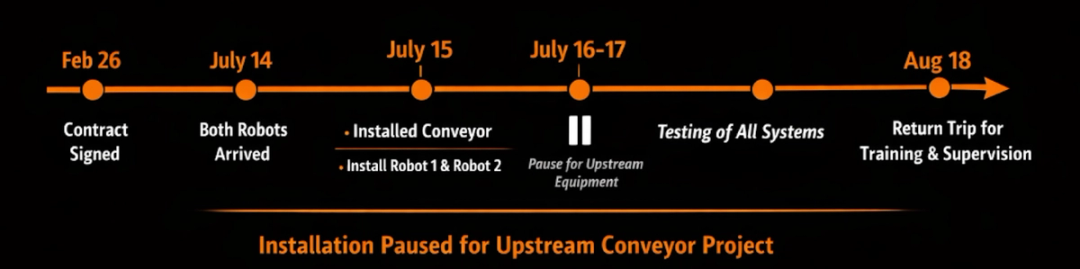
The deployment typically takes a few days to complete. In Wyandot’s case, they were deploying other new conveyor systems at the same time, so the team paused installation until that project was completed before finalizing deployment.
“It's been a really great partnership in my opinion from beginning to end,” Allie said. “All the way through the initial stages of ‘how do we work together?’ to deployment.”
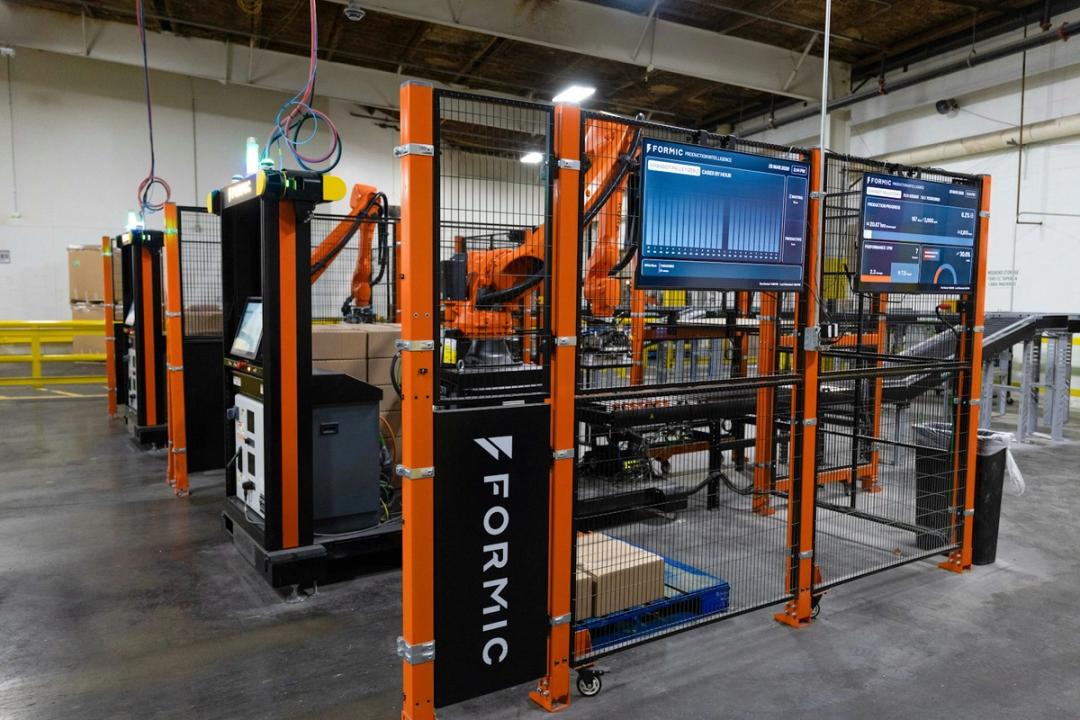
Recently, the team also deployed Formic Production Intelligence (FPI) to access real-time production line data. Allie emphasized that it has made a difference so far.
“It’s helpful to understand, ‘Here’s our goals of what we expect with these robots, and here’s where we’re at with the goal,’” she said. “You can track it on a real-time basis. On top of that, as management and leadership, being able to take that information, log in online, and be able to collect all that data and review it at a later point has also been really beneficial.”
Looking forward, Wyandot has plans to deploy even more automation to continue to boost capacity and continue to say “yes” to more business. But it’s also a long-term strategy to continue being a pillar of the community.
“Automation isn’t just about production efficiency,” Allie said. “It’s about how we utilize it to help our people.”
For manufacturers navigating labor shortages and rising demand, Wyandot’s experience shows that automation isn’t just about adding capacity: it’s about building a more resilient operation.