Why Some Smaller Manufacturers Never Get Started With Automation
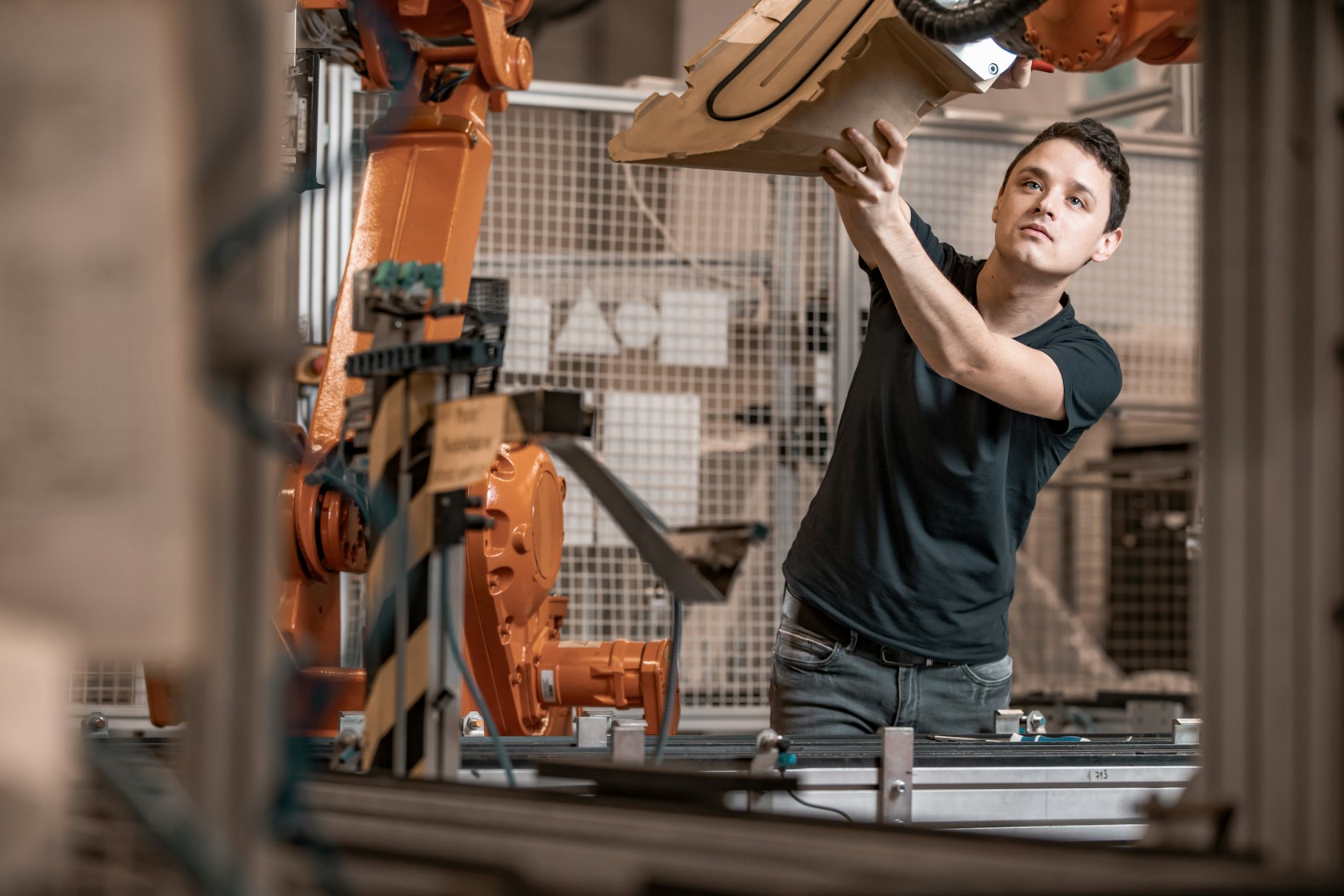
If automation was as simple as getting a loan, buying the system, and making more money, every business in the country would be automated. Unfortunately, there are some large roadblocks standing between small businesses and complete optimization of their production lines.
Too Many Options
The “too many options” paralysis applies to not only the equipment specifications (which vendor to use for the grippers/sensors? Which robot make and model?), but also the number of vendors available to scope the application. There are so many different approaches to deploying automation in a facility. Not knowing where to start or who to trust can leave you frozen. The longer you wait to deploy, the longer your facility is less productive than it could be.
It’s Complicated and Time-Consuming
If you’re not already on a defined path to the level of automation you need, it’s easy to become overwhelmed with the complexity of automation options, financing, deployment, and onboarding. Many small business owners avoid the topic altogether, even if they know it’s the most sustainable way to significantly increase productivity and revenue. Frankly, many manufacturers are so busy with the day-to-day operations of their facility that they simply cannot add another large to-do item to their already full plates.
You Can’t Compare Prices
You can compare quotes for similar systems, but when it comes to custom equipment, there’s no way to know if you’re getting the best deal. Different vendors may design the same application in two different ways. The cheapest solution might not be the most well-designed solution. Until you’ve paid for the equipment and installed it into your facility, you can’t see the level of productivity it will bring you with your own two eyes.
There's No Performance Guarantee
You have to pay for your custom system whether it works or not. There’s no performance guarantee for custom systems. Some providers will help you get started, but there’s a genuine risk that you’ll end up with machines that don’t work or don’t work like you expected them to.
Automation is Inflexible to Change
It is impossible to justify a large capital expenditure without long-term clarity on production processes and output. This can be especially problematic in today’s volatile economy. Any number of variables could change with adjacent processes, rendering expensive systems useless without costly reprogramming.
You Won’t See Return on Investment for a While
For the first three to six (or more) months of implementation, before the system is fully deployed, you’re going to see somewhere around 70% floating CapEx with no return. The businesses that are able to automate successfully are the ones that can afford to invest that money and not see any of it back for a while.
You Can't Finance Everything You Need
Financing for small businesses isn’t designed to get you successfully through the automation process. There are limitations and restrictions on small business loans and no incremental financing option. Limited financing and the drain on cash flow can prevent you from getting everything that you need. When you can’t get everything you need, there’s no point in initiating the automation process.
How Formic Can Help
We built Formic to address fix these common barriers to entry. Learn how here.