Robot Rental vs. Robot Leasing: Which Model Actually Fits Your Plant
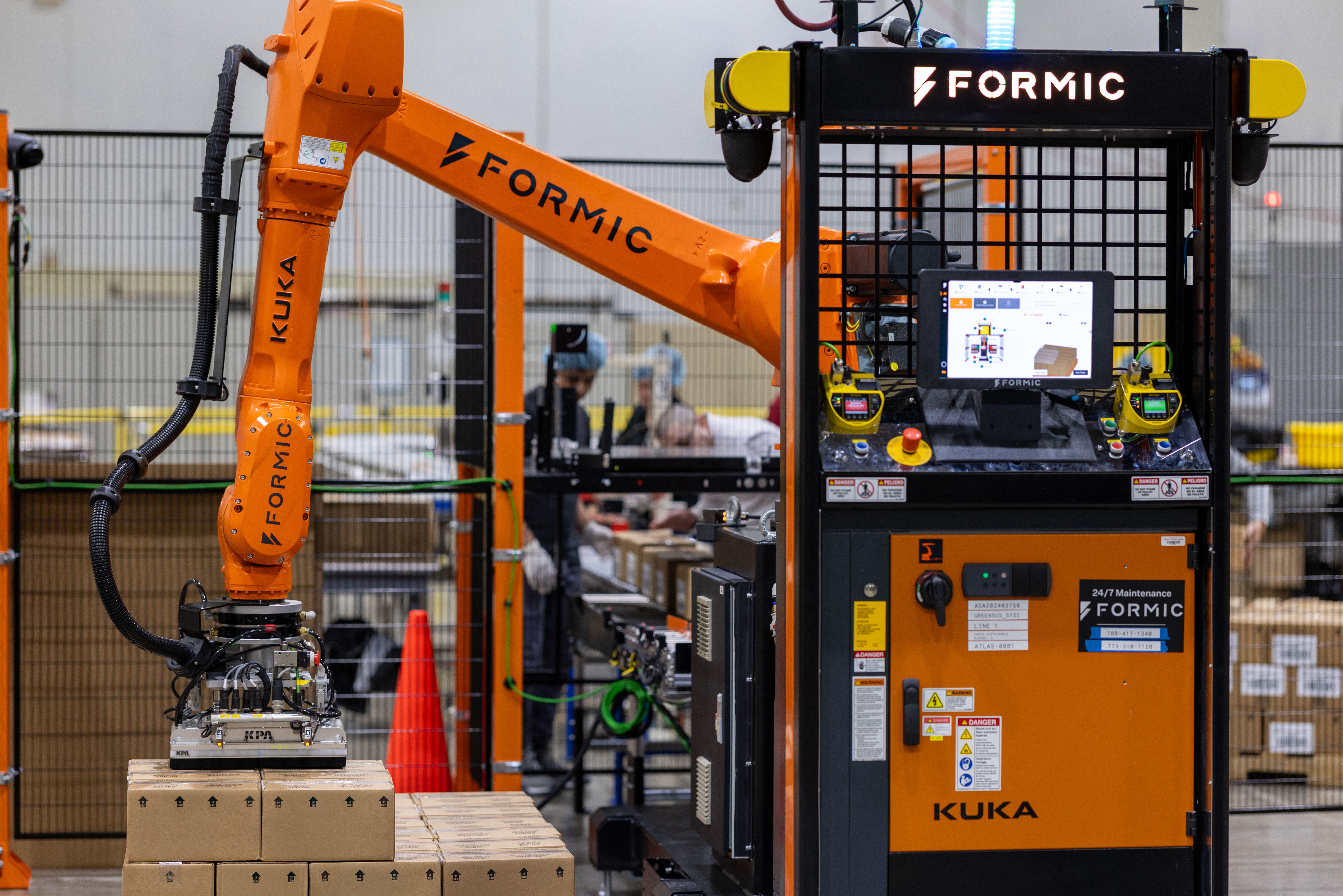
Most manufacturers struggling with labor gaps, capacity constraints, or the dozens of other problems keeping them up at night understand that automation would solve many of their productivity setbacks. But that doesn’t mean automation has been traditionally feasible for most.
Long capital approval cycles, integration risk, downtime, lack of internal expertise (the list goes on), have been common constraints holding manufacturers back and keeping them stuck in a cycle of hiring and contemplating if they can say “yes” to new business or risk not delivering in full and on time.
But that’s only true with traditional automation purchases. When it comes to robot renting and leasing, the risk shifts. A third model, Robotics-as-a-Service, shifts it even further. Manufacturers now have four real paths to automation, and each one carries a different mix of cost, control, and risk.
What Renting a Robot Means
Manufacturers working on seasonal or short-term projects might consider renting a robot instead of purchasing or leasing one.
But it’s valuable to know that renting a robot typically covers hardware only, not integration or programming. This means you need internal engineers who know what they are doing.
When renting a robot, the rental company retains ownership, and the customer handles setup and maintenance in most cases. This route is common for one-off pilot testing rather than continuous production.
Rental terms usually run month to month or for a fixed short window tied to a project, not a production line. That short runway is the trade-off: low commitment, but almost no safety net if the robot needs to be reprogrammed for a new part, a new cycle time, or a new shift pattern. If your production requirements shift even slightly, a rented robot generally won't shift with you.
What Leasing a Robot Means
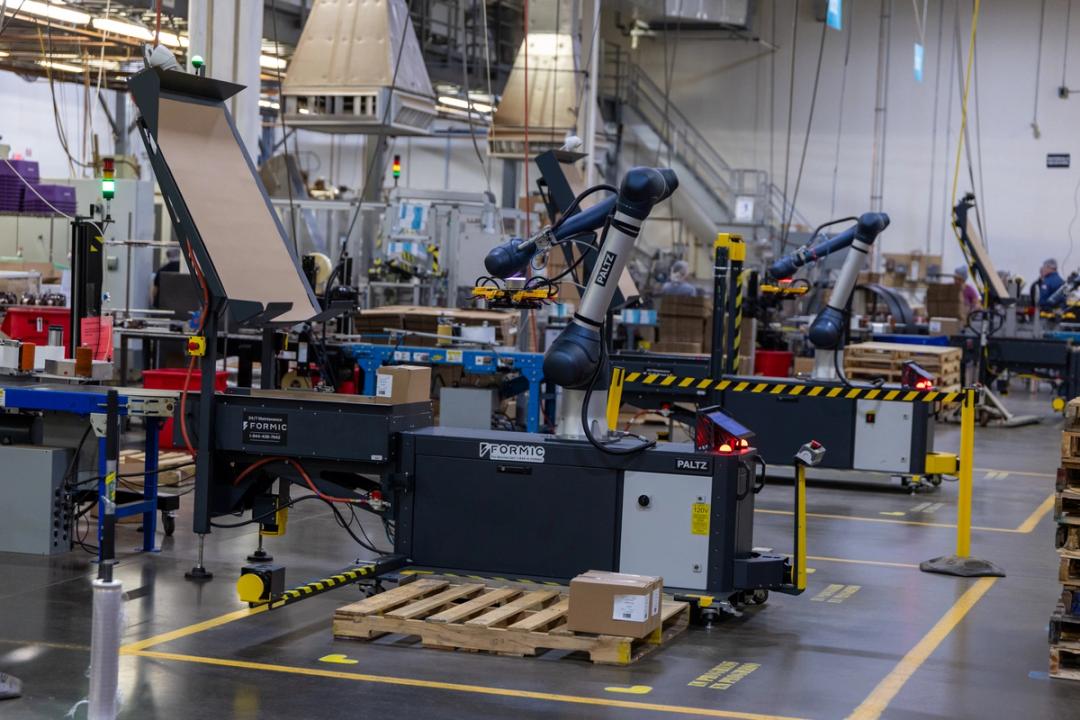
On the other hand, leasing a robot is built for continuous production. Manufacturers who know they will run similar products or SKUs for the next 3-5 years benefit more from leasing than renting.
With leasing, manufacturers are typically locked into a fixed-term contract and pay less up front, with maintenance integration frequently billed separately. This is a financing-style agreement and can be compared to leasing a vehicle versus a full service.
Most robot leases fall into one of two structures: a capital lease, which functions closer to a loan and often ends with the manufacturer owning the equipment, or an operating lease, where the equipment goes back to the lessor at the end of the term. The distinction matters for how the lease hits your balance sheet and whether your finance team books it as an asset or an expense. It's worth asking your leasing provider which structure they're offering before you sign, since the accounting treatment changes the real cost of the deal.
Rent vs. Lease vs. Buy vs. RaaS: Quick Comparison Table
Renting a robot has the lowest barrier to entry. Upfront cost is low, usually just a security deposit plus the first month. Contracts run short-term, often month-to-month or tied to a single project. Maintenance is not included, so the customer or a third party handles repairs. The rental company retains ownership throughout. Flexibility to scale is limited, since the arrangement is built for a fixed, short-term need. Renting works best for seasonal spikes, trade shows, and one-off pilots.
Leasing a robot costs more upfront than renting but far less than buying. Most leases require little to no down payment. Contracts are fixed-term, typically three to five years. Maintenance is rarely bundled in and is usually billed as a separate contract. Ownership stays with the lessor until the end of the term, depending on how the lease is structured. Flexibility to scale is limited here too, since early exit often comes with penalties. Leasing fits manufacturers with predictable, long-term production needs and in-house maintenance resources already in place.
Buying a robot outright means the highest upfront cost of the four options, covering hardware, integration, and installation in full. There is no contract length to manage, since ownership is indefinite. Maintenance is entirely on the manufacturer, along with all downtime risk. Ownership is outright from day one. Flexibility to scale is low, because scaling up or down means buying more hardware or offloading what you have. Buying makes the most sense for manufacturers with capital to spend and production needs that aren't expected to change.
RaaS, or Robotics-as-a-Service, requires no upfront capital at all. Contracts are flexible, typically running monthly or annually. Maintenance is included in the flat rate, with uptime built into the agreement itself. The provider retains ownership. Flexibility to scale is high, since capacity can be added or adjusted as production needs change. RaaS is built for small and mid-sized manufacturers who want automation without capex, integration risk, or maintenance overhead.
Cost Breakdown: Renting vs. Leasing
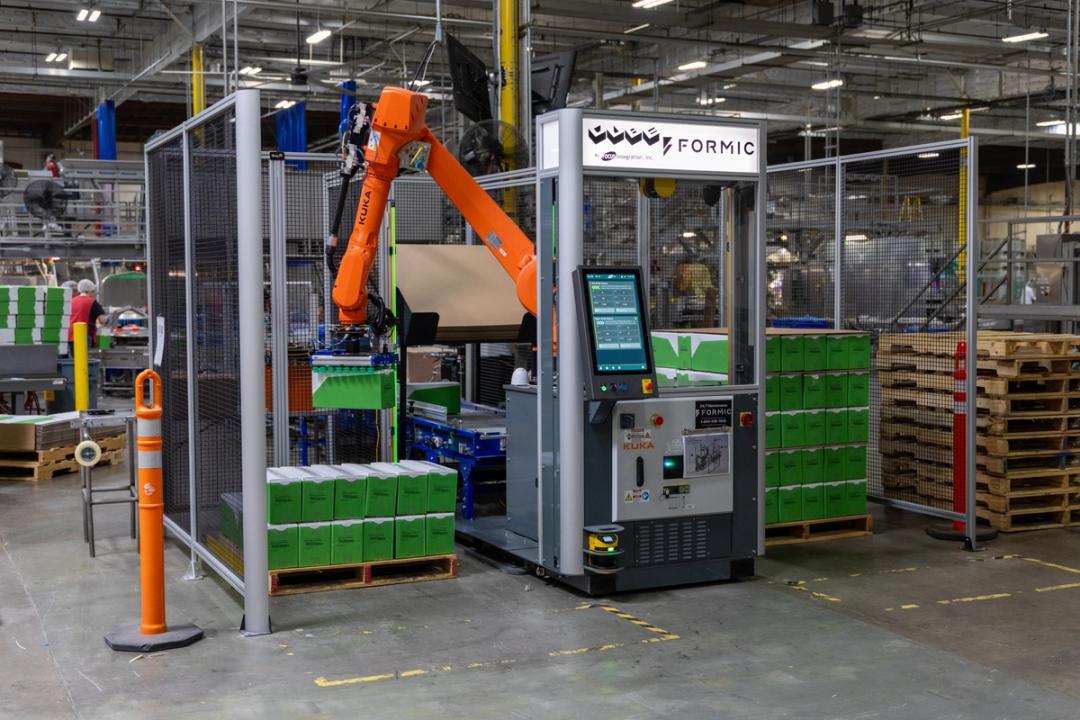
For a quick comparison, here’s the typical cost breakdown of renting vs. leasing a robot:
- Rental: lower commitment, higher per-day cost over time
- Leasing: predictable payments, but integration, training, and maintenance often add up outside the base rate
- Hidden costs to consider: installation, downtime during repairs, end-of-lease fees, integration labor
Beyond the base rate, manufacturers evaluating rent or lease should budget for a few line items that rarely show up in the initial quote: rigging and installation, electrical and safety guarding work, operator training, and software or programming changes if the part or process changes mid-term. On a lease specifically, ask about end-of-term buyout pricing and return condition requirements, since both can turn what looked like a clean exit into an unexpected bill.
For CPG and food and beverage manufacturers running case packing, palletizing, or other end-of-line stations, these hidden costs tend to compound faster than in other industries because of sanitation requirements, tighter changeover windows, and seasonal volume swings. A rented or leased robot that isn't built with integration and 24/7 support in mind can end up costing more in downtime than it saves in labor.
Maintenance and Support Differences: Renting vs. Leasing
One of the biggest differences between renting and leasing a robot is the maintenance and support available.
For a rental, it’s usually the customer’s responsibility once the system is delivered. This means that if something goes wrong or breaks, it’s on the internal maintenance team or an outside contractor to fix it. This can lead to long blocks of downtime, especially if the labor isn’t there to take over manually.
For leasing, maintenance and support often vary by provider. It might be a paid add-on or a separate service contract to avoid downtime due to a problem or break. However, responsiveness varies.
This means that even if you have maintenance built into your contract, it could take weeks before the problem is resolved.
The biggest deciding factor for manufacturers between renting and leasing when it comes to maintenance is whether you have an in-house robotics staff.
If you don't have that staff, ask any rental or leasing provider three things before signing: what the guaranteed response time is, whether that response time is written into the contract or just a verbal promise, and what happens to your production schedule while you wait. Verbal promises don't cover a missed shipment.
Contract Flexibility: Renting vs. Leasing
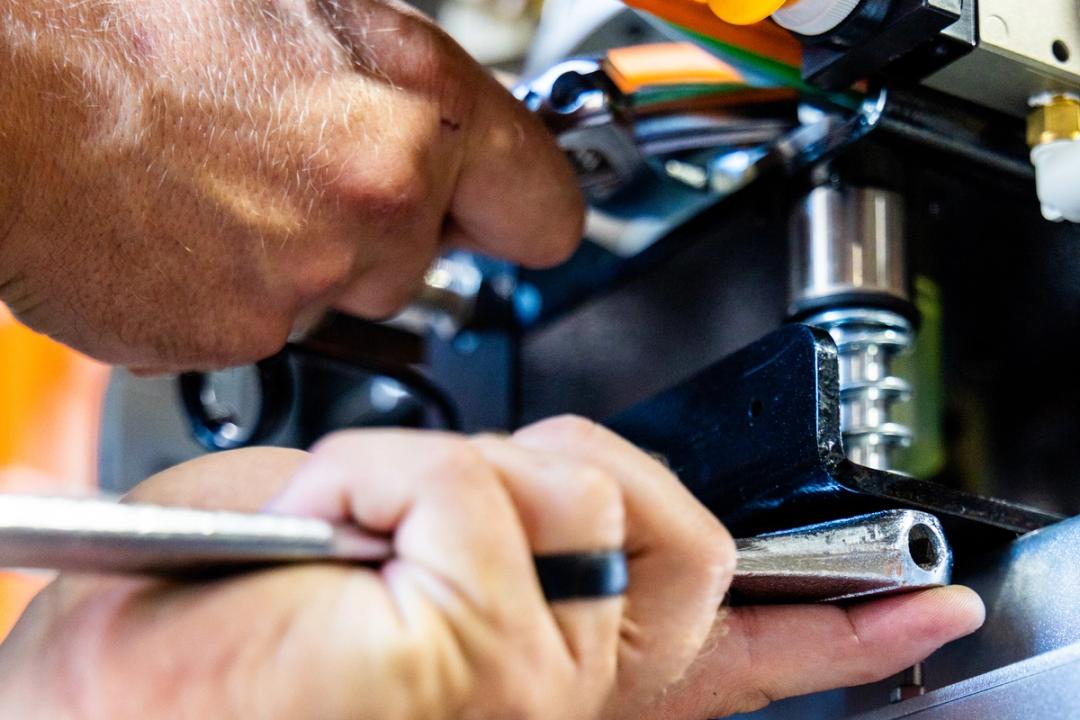
Another determining factor for manufacturers deciding between renting and leasing is often flexibility.
For manufacturers looking for a short-term option, renting is likely the best bet. It’s the shortest commitment, but has the least amount of support. For manufacturers who know they will need the system for a few years, leasing is a more fixed term, but there are often penalties for an early exit from the contract.
Before signing a contract, check the minimum term, early termination clauses, upgrade paths, and whether equipment can scale with production need changes.
Also check whether the contract locks you into a specific SKU, part, or process. Some rental and lease agreements are written around the exact use case in the original quote. If your production needs change, and for most manufacturers they eventually do, that rigidity can force a renegotiation or an early termination fee just to keep up with your own business.
When Renting a Robot Makes Sense
- Short-term projects, trade shows, seasonal demand spikes
- Testing a use case before committing capital
- Filling a capacity gap while you evaluate a longer-term automation plan
When Leasing a Robot Makes Sense
- Predictable, long-term production needs
- Company has internal maintenance and integration resources
- Balance sheet reasons to avoid outright purchase
- Manufacturers who have already run a pilot and know exactly which robot, cycle time, and integration they need
The Option Most Manufacturers Overlook: Robotics-as-a-Service
Both lists above assume you're choosing between two imperfect options. What many manufacturers might not know is that there's a third path that removes most of the tradeoffs in each: outright purchase, renting, and leasing aren't the only ways to automate.
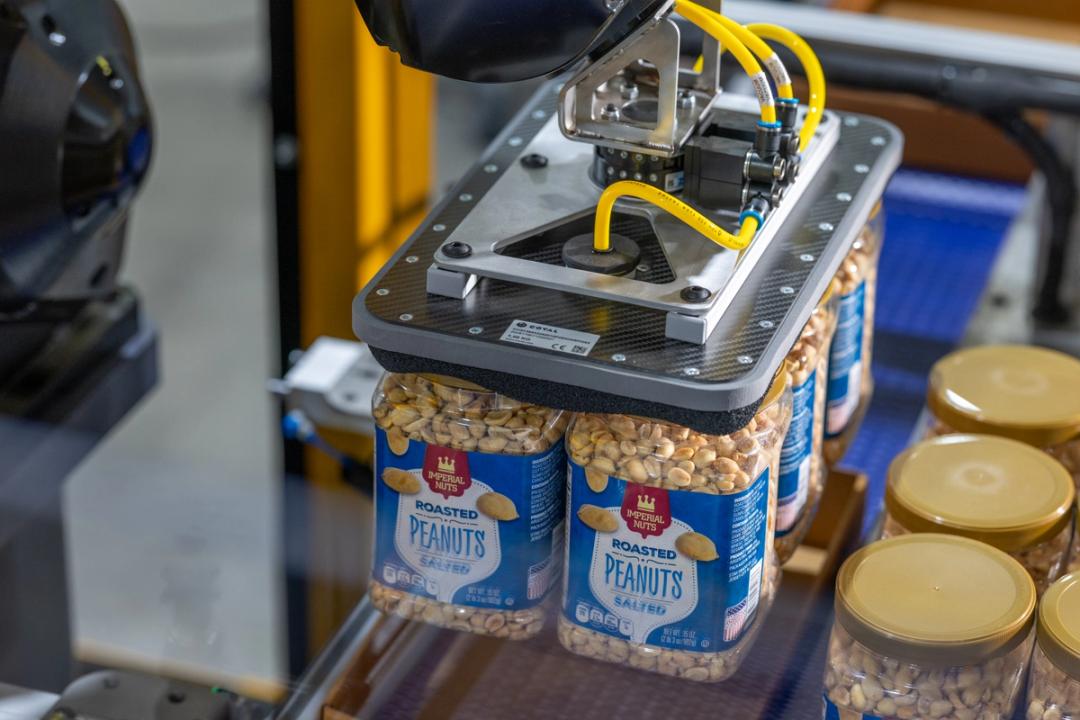
There's also Robotics-as-a-Service (RaaS), or Full Service Automation. RaaS is a no-capex model typically delivered on a monthly or annual contract. The provider handles integration, programming, and maintenance, and uptime is baked into the agreement.
This covers the risks tied to renting and leasing: no separate maintenance contract, no surprise integration labor, and no long-term lock-in tied to equipment ownership.
Formic's Full Service Automation model was built specifically for small and mid-sized manufacturers, with a flat monthly rate and 24/7 maintenance included. Production teams get automation running without adding headcount or in-house robotics expertise to manage it.
Where rental puts the integration burden on the customer and leasing splits maintenance into a separate line item, RaaS bundles hardware, integration, programming, and maintenance into one rate. That structure matters most for manufacturers without a robotics team on staff, since it removes the need to hire, train, or contract out the expertise that renting and leasing both assume you already have.
Formic's model covers palletizing, case packing, machine tending, pallet wrapping, and AMR deployments, with fleet-level monitoring built in so plant teams can see uptime and performance without needing a robotics background to interpret it.
Questions to Ask Before You Sign Anything
- Who owns the equipment?
- Who handles breakdowns?
- What's the real total monthly cost?
- What happens if production needs change mid-contract?
- Is integration included or billed separately?
- What's the guaranteed response time if the system goes down?
- Is there a penalty for scaling up or down before the contract ends?
Get a free on-site automation assessment and see where automation could improve your line.
FAQ: Robot Rental, Leasing, and RaaS
Is it cheaper to rent or lease a robot? Renting usually costs less upfront but more over time if the need extends beyond a few months. Leasing spreads cost predictably over a fixed term, but integration and maintenance are often billed separately, which can close the gap with renting once those costs are added in.
What's the difference between leasing and Robotics-as-a-Service? A lease is a financing agreement for hardware. The manufacturer typically still sources integration and maintenance separately, and the equipment shows up on the balance sheet in some form. RaaS bundles hardware, integration, programming, and maintenance into one flat rate with no capital outlay, and the provider retains ownership.
Do I need in-house robotics expertise to rent or lease a robot? For renting, generally yes, since integration and programming are usually not included. For leasing, it depends on the provider and whether maintenance is bundled in. RaaS is built for manufacturers without dedicated robotics staff, since integration and maintenance are included in the contract.